
TB-500
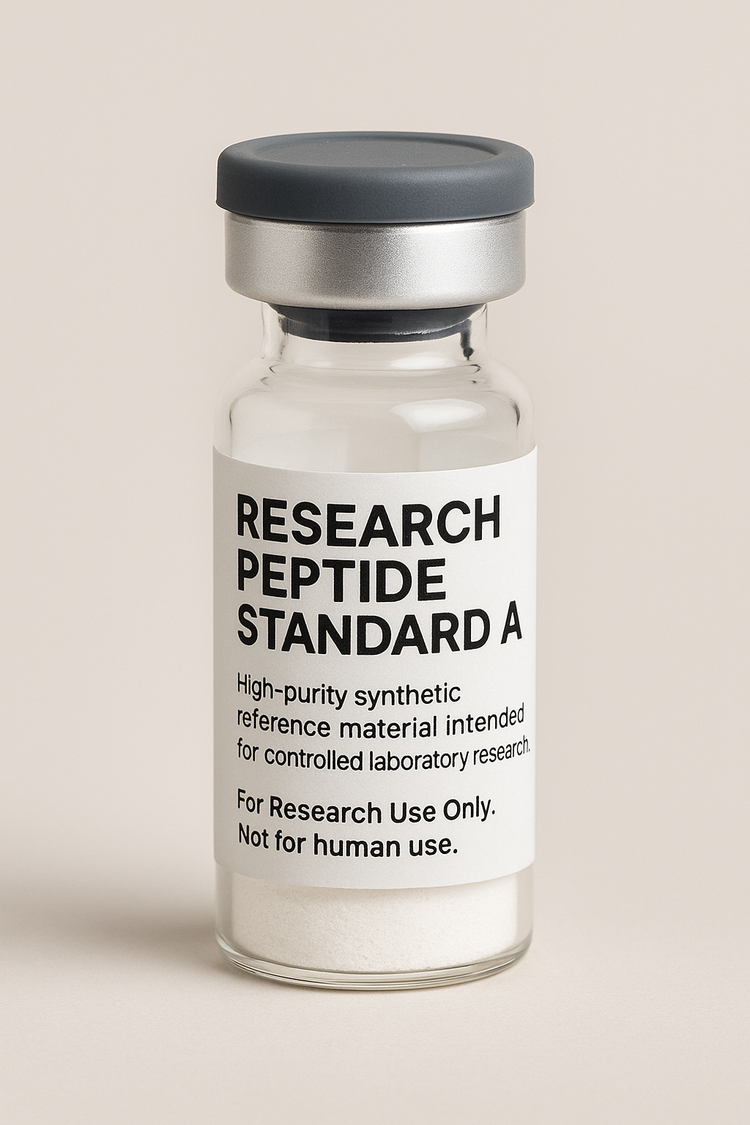
REFERENCE STANDARD
Manufactured for Researchers Who Refuse to Compromise
Velora Biolabs manufactures, lyophilizes, packages, and fulfills research materials directly from our Wyoming laboratory.
Every production lot is assigned unique batch documentation, QR traceability, and lot-specific verification to support consistency and reproducibility.
Unlike suppliers relying on aging inventory and third-party fulfillment, Velora maintains direct oversight from production through shipment.
- Regular price
-
$69.00 - Sale price
-
$69.00
Couldn't load pickup availability

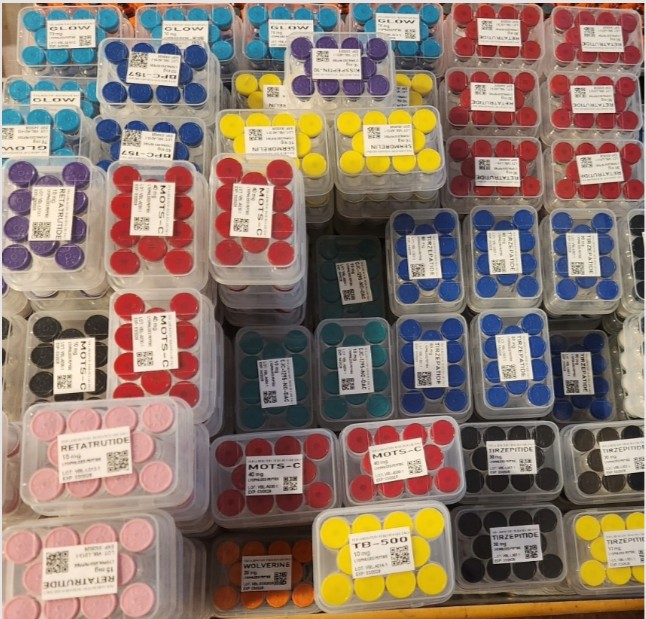
CURRENT LOT INVENTORY
Photographed inventory manufactured, packaged, and fulfilled directly by Velora Biolabs in Wyoming, USA.
✓ Fresh Production Lots
✓ QR Verification
✓ Batch Documentation
✓ Domestic Fulfillment
✓ Direct Manufacturer Support
Scientific Background
Tissue Repair, Angiogenesis & Cytoskeletal Signaling Studies
Category:
Regenerative Biology • Wound Healing • Angiogenesis • Cytoskeletal Dynamics
What Researchers Study
TB-500 (Thymosin Beta-4) is a 43-amino-acid endogenous peptide involved in cell migration, tissue repair, and actin cytoskeleton regulation. It is naturally present in many tissues and is rapidly upregulated following injury.
Researchers study TB-500 because it:
-
Regulates G-actin sequestration
-
Facilitates cell migration and differentiation
-
Promotes angiogenesis
-
Reduces fibrosis and inflammatory signaling
-
Supports coordinated tissue remodeling across multiple organ systems
TB-500 is considered a core reference peptide in regenerative and wound-healing research.
Primary Signal Pathways Studied
-
Actin cytoskeleton remodeling (G-actin binding)
-
Cell migration and chemotaxis
-
Angiogenesis and endothelial signaling
-
Fibroblast and keratinocyte proliferation
-
Inflammatory cytokine modulation
-
Anti-fibrotic tissue remodeling
Why This Molecule Is Studied
Unlike growth factors that act through narrow receptor pathways, TB-500 operates as a global cytoskeletal and migration regulator, allowing coordinated repair across diverse tissues.
Its systemic activity makes it valuable for studying:
-
Multi-tissue injury models
-
Chronic wounds
-
Fibrosis prevention
-
Vascular repair
-
Musculoskeletal regeneration
Mechanistic Overview
TB-500 binds monomeric G-actin, preventing premature polymerization and enabling rapid cytoskeletal reorganization during injury response.
This results in:
-
Enhanced cell motility
-
Accelerated wound closure
-
Increased angiogenic signaling
-
Reduced inflammatory cytokine expression
-
Improved tissue architecture restoration
Because cytoskeletal dynamics are foundational to healing, TB-500 acts upstream of many repair processes.
Key Research Domains
1. Wound Healing & Tissue Regeneration
TB-500 is extensively studied in:
-
Dermal wound models
-
Surgical recovery models
-
Diabetic and ischemic wound research
It accelerates keratinocyte and fibroblast migration while improving vascular support.
2. Musculoskeletal Injury & Repair
In tendon, ligament, and muscle models, TB-500 supports:
-
Myocyte migration
-
Reduced fibrosis
-
Improved tissue alignment during healing
Often studied alongside BPC-157 for complementary repair mechanisms.
3. Angiogenesis & Vascular Biology
TB-500 promotes:
-
Endothelial cell migration
-
Capillary formation
-
Improved perfusion in damaged tissues
Used in ischemia and cardiovascular repair research.
4. Anti-Fibrotic & Organ Protection Models
TB-500 has demonstrated:
-
Reduction of excess collagen deposition
-
Improved outcomes in renal, hepatic, and cardiac fibrosis models
-
Preservation of normal tissue architecture after injury
5. Neuroregeneration & CNS Injury (Exploratory)
Emerging research explores TB-500’s role in:
-
Neuronal migration
-
Reduced neuroinflammation
-
Recovery after CNS trauma
This positions TB-500 as a bridge peptide between regeneration and neurobiology.
Research Context & Synergies
TB-500 is frequently studied in combination with:
-
BPC-157 → localized tissue repair
-
SS-31 → mitochondrial protection during regeneration
-
PEG-MGF → muscle regeneration signaling
-
GHK-Cu → dermal and connective tissue repair
This makes TB-500 a systemic repair backbone peptide.
Product Specifications
-
Compound Name: TB-500 (Thymosin Beta-4)
-
CAS Number: 885340-08-9
-
Molecular Formula: C₃₈H₆₈N₁₀O₁₄
-
Molecular Weight: 889.02 Da
-
Amino Acid Length: 43 residues
-
Peptide Class: Actin-binding regulatory peptide
-
Purity: ≥99% (HPLC verified)
-
Form: Lyophilized powder
-
Appearance: White to off-white solid
-
Storage: ≤ –20 °C, desiccated, protected from light
Batch Documentation & Traceability
Each vial is shipped with a lot-specific QR code that provides secure access to batch documentation, including:
• Certificate of Analysis (COA)
• Identity verification report (HPLC / MS)
• Lot number, potency, and expiration
Documentation is locked to the specific batch shipped to ensure traceability, version control, and research reproducibility.
QR access is provided with the physical product and is not reused across lots.
Research Use Disclaimer
This product is supplied exclusively for laboratory research use.
Not for human or veterinary use.
Not intended for diagnostic, therapeutic, or consumptive applications.