
GHK-Cu
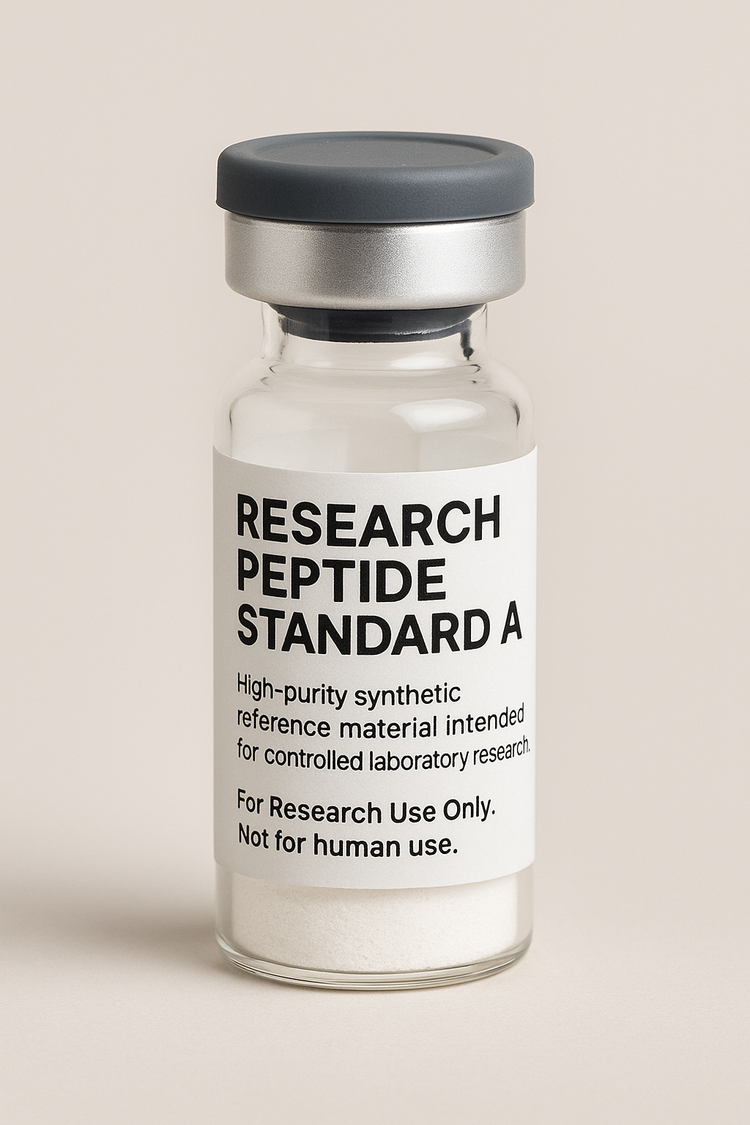
REFERENCE STANDARD
Manufactured for Researchers Who Refuse to Compromise
Velora Biolabs manufactures, lyophilizes, packages, and fulfills research materials directly from our Wyoming laboratory.
Every production lot is assigned unique batch documentation, QR traceability, and lot-specific verification to support consistency and reproducibility.
Unlike suppliers relying on aging inventory and third-party fulfillment, Velora maintains direct oversight from production through shipment.
- Regular price
-
$49.00 - Sale price
-
$49.00
Couldn't load pickup availability

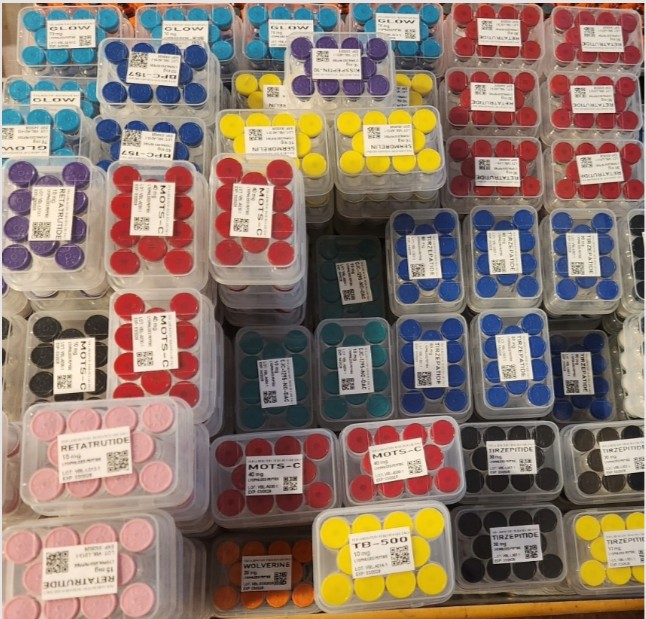
CURRENT LOT INVENTORY
Photographed inventory manufactured, packaged, and fulfilled directly by Velora Biolabs in Wyoming, USA.
✓ Fresh Production Lots
✓ QR Verification
✓ Batch Documentation
✓ Domestic Fulfillment
✓ Direct Manufacturer Support
Scientific Background
Copper Tripeptide for Tissue Remodeling, Angiogenesis & Gene-Regulation Research
Category:
Tissue Repair & Regenerative Signaling • Angiogenesis & Vascular Biology • Neurodegenerative & Aging Research
What Researchers Study
GHK-Cu is a naturally occurring copper-binding tripeptide complex composed of glycyl-L-histidyl-L-lysine coordinated with copper (II). It is endogenously present in human plasma, saliva, and other biological fluids. Researchers study GHK-Cu for its role in tissue remodeling, cellular repair signaling, and gene-expression modulation across multiple biological systems.
In laboratory and preclinical models, GHK-Cu is examined as a broad-spectrum regulatory peptide, influencing wound-response signaling, vascular development, and cellular resilience rather than acting through a single receptor.
Primary Signal Pathways Studied
Scientific research on GHK-Cu focuses on its interaction with:
-
Angiogenic signaling pathways, including VEGF-associated vascular development
-
Extracellular matrix remodeling, particularly collagen synthesis and organization
-
Gene expression regulation, with reported effects on hundreds of repair-associated genes
-
Oxidative stress modulation, including antioxidant enzyme signaling
-
Neurotrophic and neurovascular signaling, relevant to nervous system maintenance
GHK-Cu is notable for its gene-normalizing behavior, where damaged or dysregulated expression profiles shift toward healthier patterns in experimental systems.
Why This Peptide Is Studied
Tissue repair and degeneration involve coordinated signaling across vascular, immune, connective, and neural systems. Many compounds target only one component of this process.
GHK-Cu is studied because it appears to act as a biological coordinator, allowing researchers to investigate:
-
How copper-dependent peptides regulate repair signaling
-
Interactions between angiogenesis and extracellular matrix remodeling
-
The role of peptide-metal complexes in aging and degeneration
-
Systems-level responses rather than isolated molecular effects
This makes GHK-Cu a foundational research tool in regenerative biology, aging science, and neurovascular research.
Research Areas of Interest
Tissue Repair & Regeneration
GHK-Cu is widely studied in models examining wound repair, connective tissue integrity, and extracellular matrix restructuring.
Angiogenesis & Vascular Biology
Research explores how GHK-Cu influences blood vessel formation, nutrient delivery, and vascular stability in damaged or aging tissues.
Neurodegenerative & Aging Research
Because GHK-Cu levels decline with age, it is studied in models of neurodegeneration, cognitive decline, and age-associated cellular dysfunction.
Selected Scientific References
-
Pickart et al., Journal of Biomolecular Structure & Dynamics — Gene regulation and tissue remodeling by GHK-Cu
-
Maquart et al., Pathologie Biologie — Collagen synthesis and extracellular matrix signaling
-
Mazurowska et al., Biomedicine & Pharmacotherapy — Neuroprotective and antioxidant properties of copper peptides
-
Pickart & Margolina, Journal of Peptide Science — Systems-level effects of GHK-Cu
(References provided for educational context and literature navigation.)
Product Specifications
-
Compound Name: GHK-Cu
-
CAS Number: 89030-95-5
-
Molecular Formula: C₁₄H₂₂N₆O₄Cu
-
Amino Acid Sequence: Gly-His-Lys
-
Molecular Weight: 401.91 Da
-
Purity: ≥98% (HPLC verified)
-
Form: Lyophilized powder
-
Appearance: Blue to violet solid (copper-coordinated)
-
Storage: ≤ –20 °C, desiccated, protected from light
Batch Documentation & Traceability
Each vial is shipped with a lot-specific QR code that provides secure access to batch documentation, including:
• Certificate of Analysis (COA)
• Identity verification report (HPLC / MS)
• Lot number, potency, and expiration
Documentation is locked to the specific batch shipped to ensure traceability, version control, and research reproducibility.
QR access is provided with the physical product and is not reused across lots.
Research Use Disclaimer
This product is supplied strictly for laboratory research and in-vitro or preclinical investigation.
Not for human or veterinary use.
Not for diagnostic, therapeutic, cosmetic, or consumptive applications.