
AOD-9604
REFERENCE STANDARD
Manufactured for Researchers Who Refuse to Compromise
Velora Biolabs manufactures, lyophilizes, packages, and fulfills research materials directly from our Wyoming laboratory.
Every production lot is assigned unique batch documentation, QR traceability, and lot-specific verification to support consistency and reproducibility.
Unlike suppliers relying on aging inventory and third-party fulfillment, Velora maintains direct oversight from production through shipment.
- Regular price
-
$39.00 - Sale price
-
$39.00
Couldn't load pickup availability
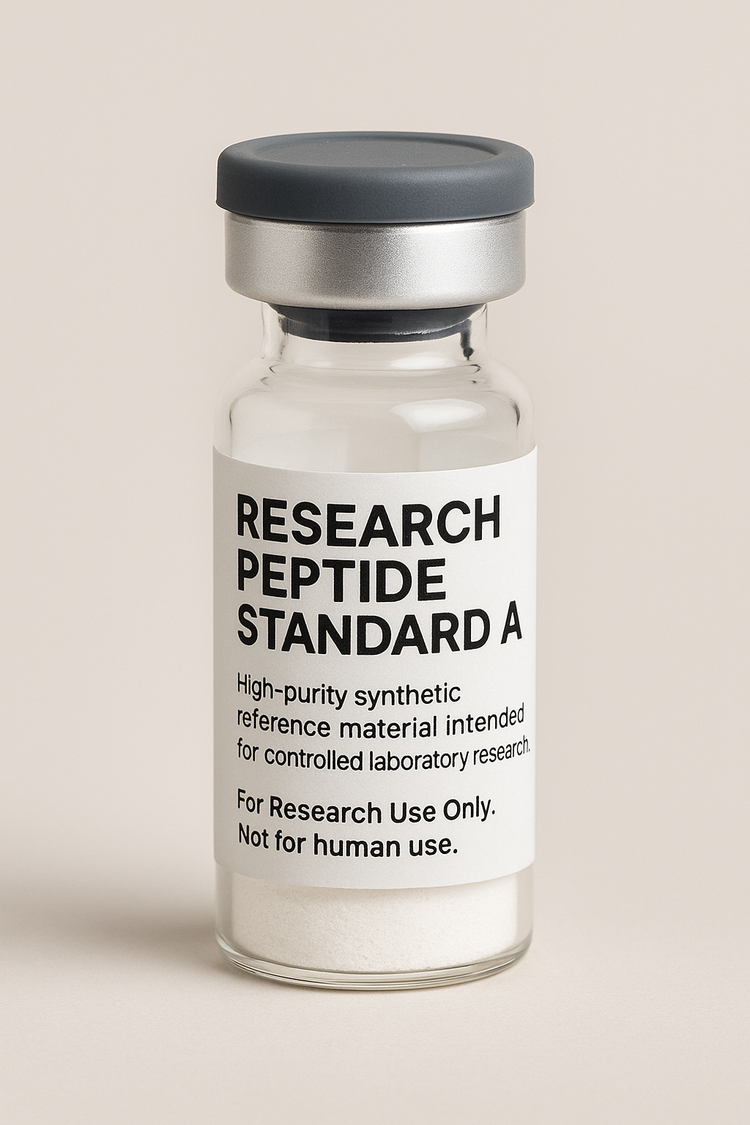

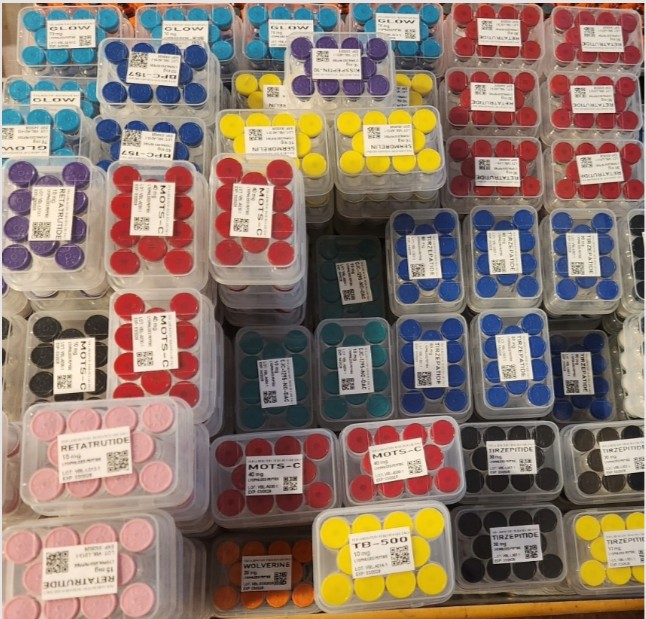
CURRENT LOT INVENTORY
Photographed inventory manufactured, packaged, and fulfilled directly by Velora Biolabs in Wyoming, USA.
✓ Fresh Production Lots
✓ QR Verification
✓ Batch Documentation
✓ Domestic Fulfillment
✓ Direct Manufacturer Support
Scientific Background
Synthetic hGH Fragment for Metabolic & Cartilage Research
Category:
Metabolic Signaling • Cartilage & Bone Biology • Peptide Research Compounds
What Researchers Study
AOD-9604 is a synthetic peptide fragment derived from the C-terminal region of human growth hormone (hGH). Researchers study this compound for its ability to influence fat metabolism and cartilage biology without activating the full growth-promoting pathways associated with intact growth hormone.
In laboratory models, AOD-9604 is explored as a targeted signaling fragment, designed to isolate specific metabolic and structural effects while minimizing broader endocrine activation.
Primary Signal Pathways Studied
From a mechanistic standpoint, AOD-9604 is investigated for its interaction with:
-
Adipocyte lipid metabolism signaling, including pathways involved in lipolysis and fat oxidation
-
Chondrocyte activity and extracellular matrix synthesis, particularly collagen and proteoglycan production
-
Non-somatogenic GH-related signaling, distinct from classical GH receptor–IGF-1 activation
Importantly, published preclinical research suggests that AOD-9604 does not significantly stimulate IGF-1 production, making it a useful tool for studying dissociated growth hormone fragment activity.
Why This Peptide Is Studied
Full-length growth hormone influences many biological systems simultaneously, making it difficult to isolate specific effects in experimental models. AOD-9604 was developed as a precision fragment to help researchers examine:
-
Whether metabolic effects of hGH can occur independently of growth signaling
-
How targeted peptide fragments influence adipose tissue behavior
-
Potential cartilage-specific signaling mechanisms separate from systemic growth effects
This makes AOD-9604 particularly useful in metabolic research, orthopedic biology, and comparative hormone signaling studies.
Research Areas of Interest
Metabolic & Adipocyte Research
In vitro and animal studies have explored AOD-9604’s role in lipid mobilization and fat metabolism. Published research in obesity models has reported reductions in fat mass without corresponding increases in circulating IGF-1, supporting the concept of pathway dissociation.
Cartilage & Connective Tissue Research
Separate lines of investigation examine AOD-9604’s effects on chondrocyte proliferation and cartilage matrix production. Experimental models have reported increased synthesis of collagen and glycosaminoglycans, which are foundational components of healthy cartilage tissue.
Selected Scientific References
-
Heffernan et al., International Journal of Obesity (2001) — Investigation of metabolic effects of AOD-9604 compared to full-length hGH in obese animal models
-
Wang et al., Osteoarthritis and Cartilage (2013, abstract) — In-vitro analysis of AOD-9604–mediated chondrogenesis
(References provided for educational context and literature navigation.)
Product Specifications
-
Compound Name: AOD-9604
-
CAS Number: 221231-10-3
-
Molecular Formula: C₇₈H₁₂₃N₂₃O₂₃S₂
-
Amino Acid Sequence: Tyr-Leu-Arg-Ile-Val-Gln-Cys-Arg-Ser-Val-Glu-Gly-Ser-Cys-Gly-Phe
-
Molecular Weight: ~1,815.1 Da
-
Purity: ≥98% (HPLC verified)
-
Form: Lyophilized powder
-
Appearance: White to off-white solid
-
Storage: ≤ –20 °C, desiccated, protected from light
Batch Documentation & Traceability
Each vial is shipped with a lot-specific QR code that provides secure access to batch documentation, including:
• Certificate of Analysis (COA)
• Identity verification report (HPLC / MS)
• Lot number, potency, and expiration
Documentation is locked to the specific batch shipped to ensure traceability, version control, and research reproducibility.
QR access is provided with the physical product and is not reused across lots.
Research Use Disclaimer
This product is supplied strictly for laboratory research and in-vitro investigation.
Not for human or veterinary use.
Not for diagnostic, therapeutic, or consumptive applications.