
THYMALIN
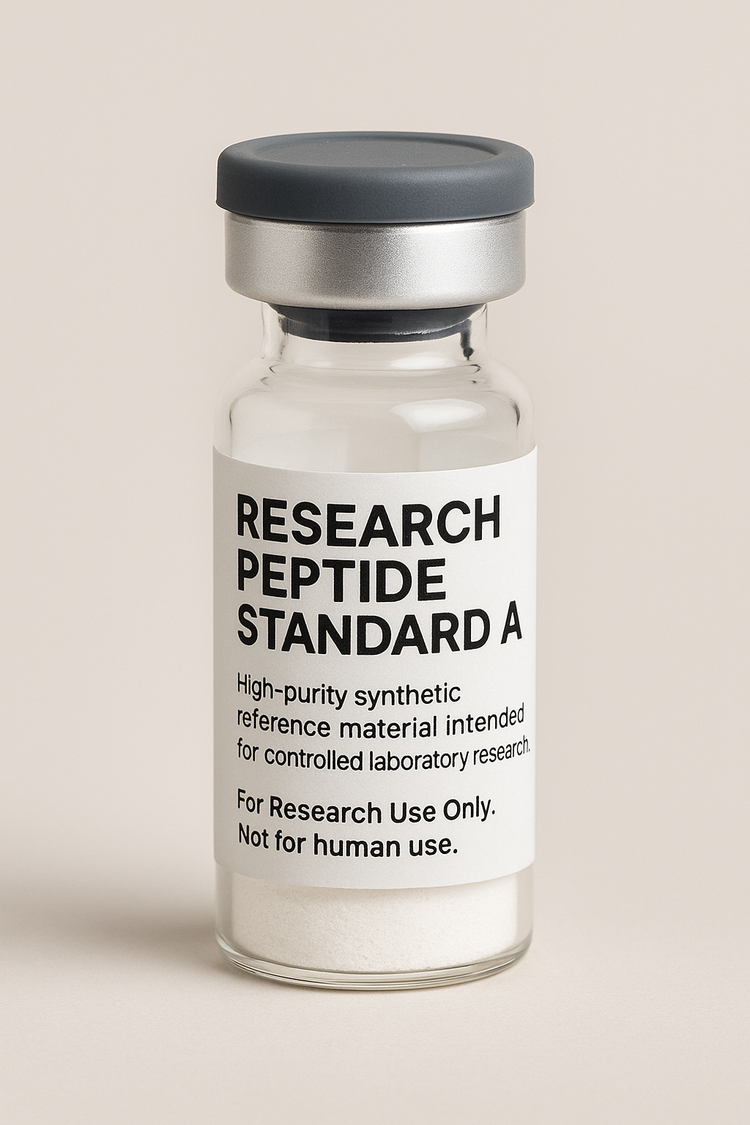
REFERENCE STANDARD
Manufactured for Researchers Who Refuse to Compromise
Velora Biolabs manufactures, lyophilizes, packages, and fulfills research materials directly from our Wyoming laboratory.
Every production lot is assigned unique batch documentation, QR traceability, and lot-specific verification to support consistency and reproducibility.
Unlike suppliers relying on aging inventory and third-party fulfillment, Velora maintains direct oversight from production through shipment.
- Regular price
-
$69.00 - Sale price
-
$69.00
Couldn't load pickup availability

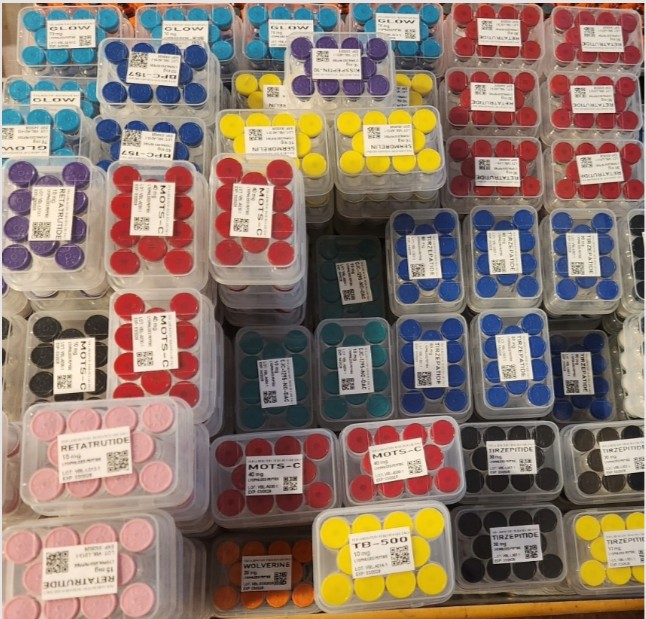
CURRENT LOT INVENTORY
Photographed inventory manufactured, packaged, and fulfilled directly by Velora Biolabs in Wyoming, USA.
✓ Fresh Production Lots
✓ QR Verification
✓ Batch Documentation
✓ Domestic Fulfillment
✓ Direct Manufacturer Support
Scientific Background
Advanced Research Compound for Immunosenescence, Hematopoiesis & Systemic Inflammation Studies
Category:
Thymic Peptides • Immunology • Aging Biology • Hematopoietic Research • Autoimmune Models
What Researchers Study
Thymalin is a low-molecular-weight thymic peptide complex originally isolated from bovine thymus tissue. Unlike single-sequence peptides (e.g., Thymosin Alpha-1), Thymalin contains a defined mixture of short regulatory peptides that act collectively to restore immune signaling fidelity.
Researchers study Thymalin for its ability to:
-
Restore thymic output
-
Normalize T-cell differentiation
-
Rebalance innate and adaptive immunity
-
Improve hematopoietic stem cell signaling
-
Reduce chronic low-grade inflammation (“inflammaging”)
-
Stabilize immune surveillance in aging models
Thymalin is considered an upstream immune architecture peptide, influencing immune development rather than just immune activation.
Primary Signal Pathways Studied
-
Thymocyte differentiation signaling
-
T-cell receptor (TCR) maturation
-
Bone marrow hematopoiesis
-
Cytokine normalization (IL-2, IFN-γ, IL-10)
-
NF-κB down-modulation
-
Oxidative stress signaling in immune cells
-
Epigenetic regulation of immune genes
Mechanism of Action (Research Context)
1. Thymic Reconstitution & T-Cell Maturation
Thymalin:
-
Enhances differentiation of immature thymocytes
-
Restores CD4/CD8 balance
-
Improves naïve T-cell output
-
Supports immune repertoire diversity
This is particularly relevant in aging, post-chemotherapy, and immune exhaustion models.
2. Hematopoietic & Bone Marrow Support
Research shows Thymalin:
-
Normalizes leukocyte production
-
Supports erythroid and myeloid lineage balance
-
Improves recovery after cytotoxic stress
-
Enhances immune cell viability
This places Thymalin at the intersection of immunology and regenerative hematology.
3. Anti-Inflammaging & Immune Calibration
Rather than stimulating immunity indiscriminately, Thymalin:
-
Reduces excessive pro-inflammatory cytokines
-
Enhances regulatory immune signaling
-
Improves immune precision rather than intensity
This makes it highly relevant in:
-
Autoimmune disease models
-
Age-related immune dysregulation
-
Chronic inflammatory states
Key Research Domains
1. Immunosenescence & Aging Research
Thymalin is widely studied for:
-
Restoring immune responsiveness in aged models
-
Improving resistance to infection
-
Enhancing vaccine responsiveness
-
Reducing age-associated immune drift
It is often positioned as a foundational immune longevity peptide.
2. Autoimmune & Immune Dysregulation Models
Research applications include:
-
Normalizing overactive immune responses
-
Supporting immune tolerance mechanisms
-
Reducing autoimmune tissue damage signals
Used in models of:
-
Rheumatoid-like inflammation
-
Lupus-like immune imbalance
-
Chronic inflammatory syndromes
3. Oncology & Post-Cytotoxic Recovery Research
Thymalin has been studied for:
-
Immune restoration following chemotherapy
-
Supporting leukocyte recovery
-
Enhancing immune surveillance capacity
Importantly, it does not act as a growth factor, but as a regulatory immune peptide.
Product Specifications
-
Compound Name: Thymalin
-
CAS Number: 63958-90-7
-
Molecular Formula: C₃₃H₅₄N₁₂O₁₅
- Molecular Weight: 858.86 Da
-
Purity: ≥98% (peptide content, HPLC verified)
-
Form: Lyophilized powder
-
Appearance: White to off-white solid
Batch Documentation & Traceability
Each vial is shipped with a lot-specific QR code that provides secure access to batch documentation, including:
• Certificate of Analysis (COA)
• Identity verification report (HPLC / MS)
• Lot number, potency, and expiration
Documentation is locked to the specific batch shipped to ensure traceability, version control, and research reproducibility.
QR access is provided with the physical product and is not reused across lots.
Research Use Disclaimer
This compound is supplied strictly for laboratory research purposes.
Not for human or veterinary consumption, diagnosis, or treatment.